This is a collection of media from the initial runs of "Wild Wheels" (1969) in the Pacific Northwest. "Run, Angel, Run!" (1969) was back as the second feature.
Click on images for larger versions.
Wild Wheels (1969)
“Wild Wheels” (1969) is a curious, rough‑edged entry in the late‑sixties cycle of youth‑culture exploitation films, one that blends biker‑movie attitude with a pop‑art fascination for style, music, and generational rebellion. What makes the film interesting is not its narrative complexity—its story is intentionally thin—but the way it captures a moment when counterculture aesthetics were being rapidly commodified for drive‑in audiences. The film feels like a snapshot of a cultural mood rather than a conventional drama, using its loose plot as a frame for color, movement, and attitude.
At its core, “Wild Wheels” is less about the mechanics of biker life and more about the spectacle of youth in motion. The film leans heavily on its visual energy: bright, saturated colors; stylized compositions; and a rhythm shaped by its soundtrack. It treats motorcycles almost as fashion accessories, symbols of freedom and self‑invention rather than tools of menace. This gives the film a lighter, more playful tone than many of its contemporaries, which often emphasized violence or nihilism. Instead, it channels a kind of pop‑rebellion—rebellion as performance, rebellion as style.
The characters function as archetypes of late‑sixties youth cinema: restless, image‑conscious, and caught between the desire for independence and the gravitational pull of group identity. Their conflicts are less psychological than symbolic, reflecting the era’s fascination with youth as a cultural force. The film’s episodic structure reinforces this, drifting from scene to scene with a casualness that mirrors the characters’ own drifting sense of purpose. It’s a film more interested in capturing a vibe than in building dramatic tension.
What gives “Wild Wheels” its charm is the way it embraces its own artifice. It’s self‑aware without being ironic, earnest in its attempt to bottle the energy of a generation even as it packages that energy for mass consumption. The result is a film that feels both of its time and slightly outside it—part documentary of a cultural moment, part stylized fantasy of what that moment looked like from the outside. It’s a minor work, but one that offers a vivid window into the aesthetics and anxieties of 1969, when youth culture was both a genuine social force and a rapidly expanding commercial product.
Director: Ken Osborne
Writers: Ken Osborne, Ralph Luce
Stars: Don Epperson, Robert Dix, Casey Kasem
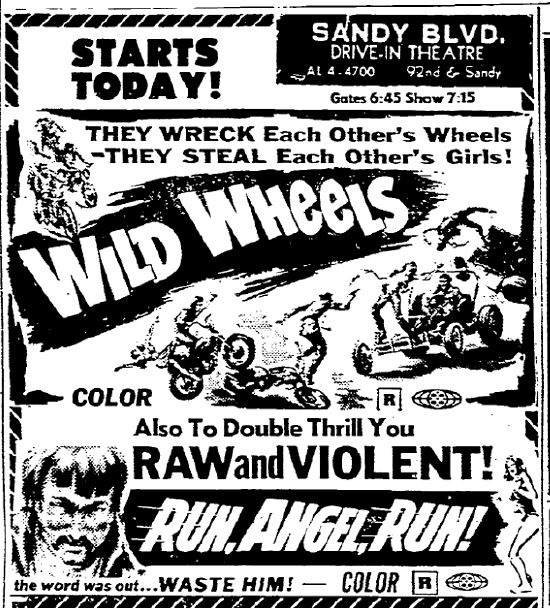
November 12, 1969 ad (Portland)
November 11, 1969 ad (Portland)
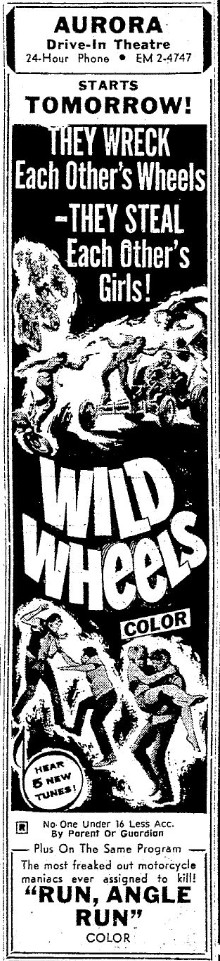
November 11, 1969 ad (Seattle)
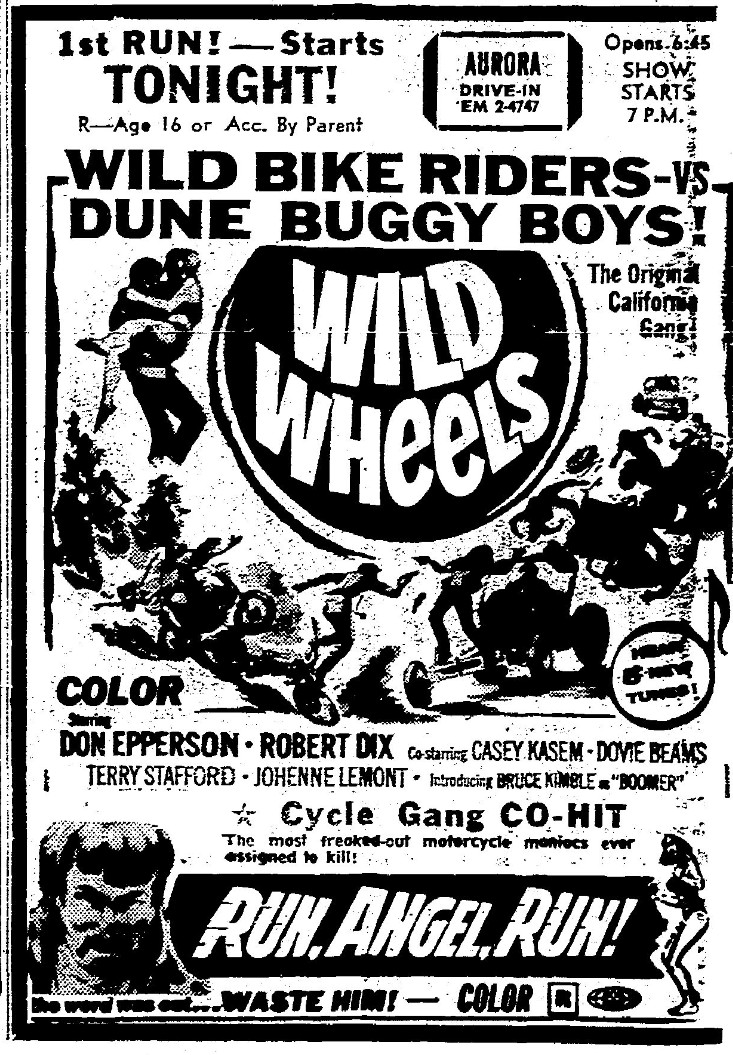
November 12, 1969 ad (Seattle)
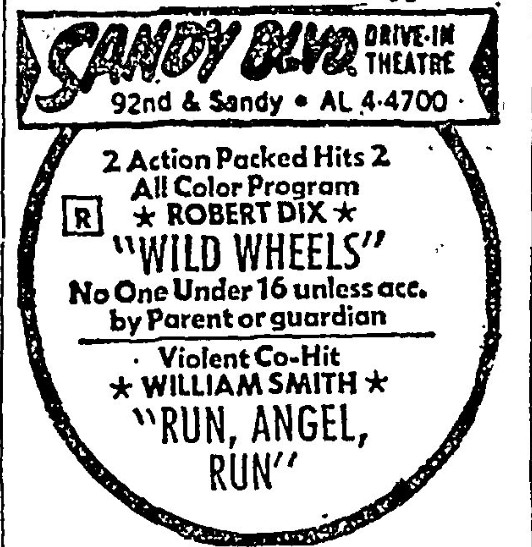
November 13, 1969 ad (Portland)
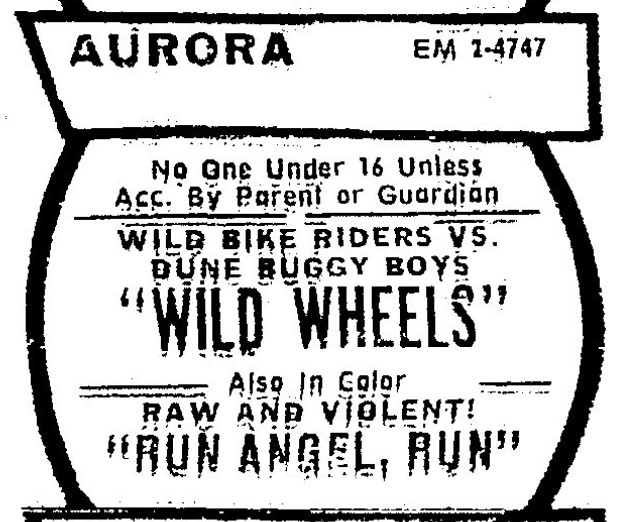
November 13, 1969 ad (Seattle)
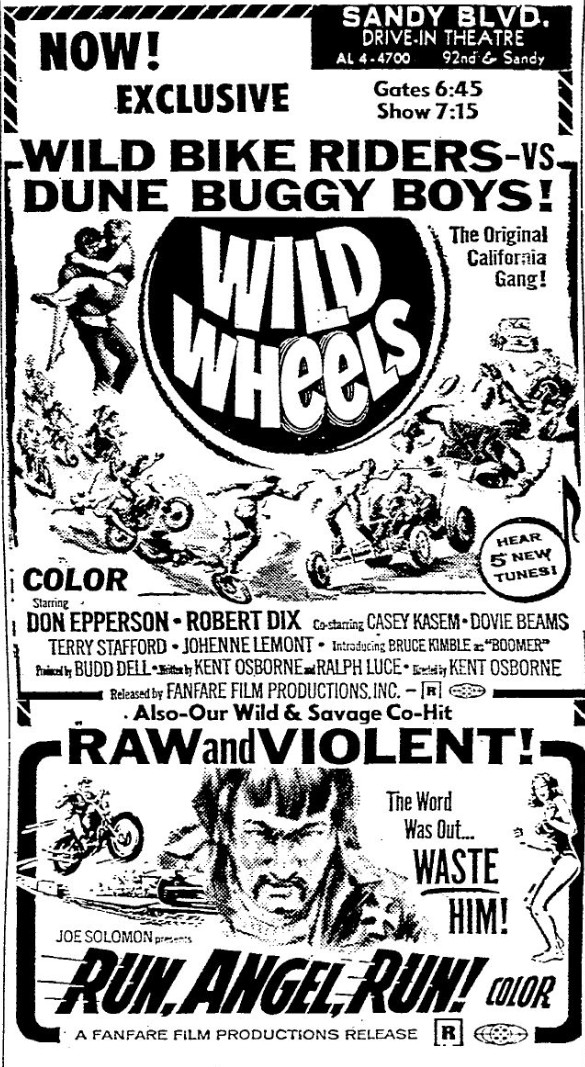
November 14, 1969 ad (Portland)
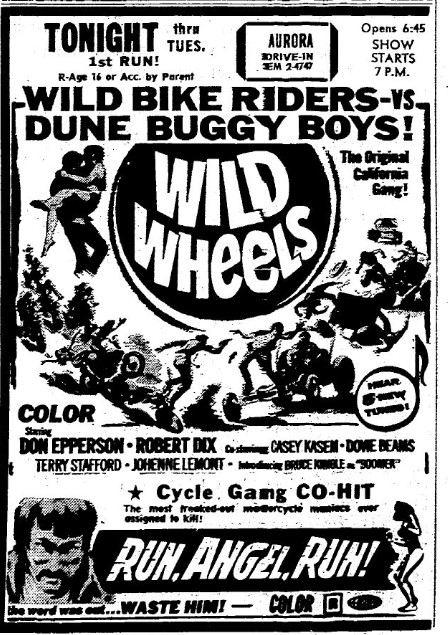
November 14, 1969 ad (Seattle)
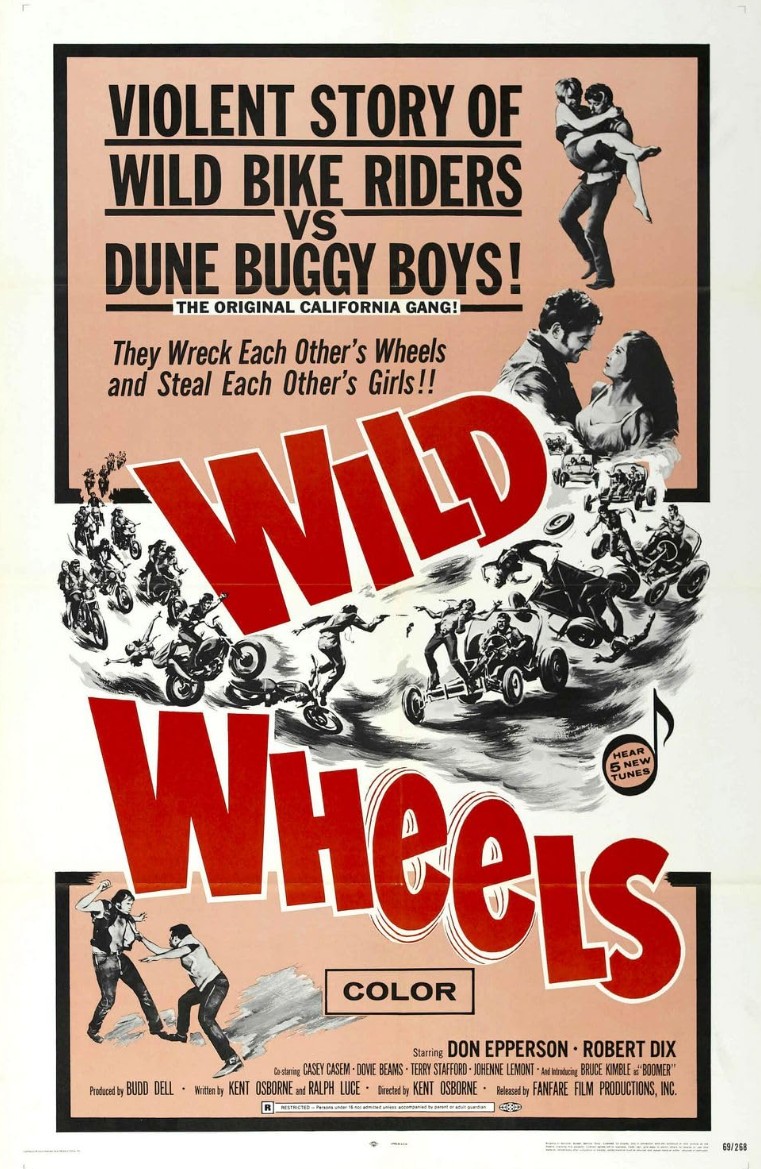
Wild Wheels (1969) poster
Wild Wheels (1969) trailer
