This is a collection of media from the initial runs of "Bloody Pit of Horror" and "Terror-Creatures from the Grave" (1965) in the Pacific Northwest.
Click on images for larger versions.
Bloody Pit of Horror (1965)
"Bloody Pit of Horror" is a lurid, Gothic horror film that revels in its outrageous excesses while offering a fascinating glimpse into the era's genre filmmaking. Directed by Massimo Pupillo, this Italian production blends elements of pulp storytelling, atmospheric tension, and exaggerated performances to create an over-the-top spectacle that is both visually striking and thematically intriguing.
At its core, the film explores themes of madness, sadism, and the dangers of unchecked obsession. Its setting—a foreboding, abandoned castle—provides an eerie backdrop, reinforcing the film's emphasis on psychological terror and physical brutality. The cinematography, bathed in deep reds and exaggerated shadows, heightens the sense of dread while embracing the stylized horror conventions of mid-20th-century European genre films.
One of the film's defining traits is its theatrical antagonist, whose presence dominates the screen with a mixture of grandiose arrogance and unnerving intensity. The character's motivations, while seemingly straightforward, reveal deeper undertones related to vengeance and delusional self-righteousness, making him an unsettling force that drives the narrative forward. His elaborate methods and elaborate persona transform the film into a morbid spectacle, showcasing a fascination with sadistic horror that was gaining prominence in European cinema then.
Beyond its surface-level sensationalism, "Bloody Pit of Horror" can also be viewed as a commentary on exploitation and excess in media. The film is self-aware in its use of extravagant violence and exaggerated drama, almost satirizing the genre's more extreme tendencies while still delivering visceral thrills. Its blend of melodramatic performances, vivid set designs, and exaggerated horror imagery makes it a unique entry in the pantheon of cult horror cinema.
While the film may not be a masterpiece in terms of narrative complexity or subtlety, it excels in crafting a distinct aesthetic that lingers in viewers' minds. Whether appreciated for its camp value or its commitment to visual spectacle, "Bloody Pit of Horror" remains an essential piece of mid-century Gothic horror that stands as both a curiosity and an unsettling cinematic experience.
Director: Massimo Pupillo
Writers: Romano Migliorini, Roberto Natale
Stars: Mickey Hargitay, Walter Brandi, Luisa Baratto
Buy "Bloody Pit of Horror" (1967) bluray on Amazon (SPONSORED)
Buy "Bloody Pit of Horror" (1967) DVD on Amazon (SPONSORED)
Terror-Creatures from the Grave (1965)
"Terror-Creatures from the Grave" is a chilling example of Italian Gothic horror that blends supernatural eeriness with brooding psychological tension. Directed by Massimo Pupillo, the film draws from classic ghost story tropes while embedding a distinct sense of dread and foreboding that lingers throughout its runtime. With its atmospheric cinematography and methodically unfolding mystery, the film stands as a lesser-known but noteworthy entry in European horror cinema.
One of the film's most striking qualities is its masterful use of setting. The narrative unfolds in an ominous, decaying estate—an environment that enhances the creeping unease and makes the story feel as though it is steeped in centuries-old supernatural lore. The mansion itself serves as a character, its creaking walls and shadow-drenched corridors reflecting the pervasive sense of doom that grips the inhabitants. The film’s cinematography embraces stark contrasts and dramatic lighting, reinforcing the Gothic tone and accentuating the terror lurking beneath the surface.
The story delves into themes of vengeance, mortality, and the lingering influence of the past. Characters are haunted—both figuratively and literally—by the consequences of past actions, and the narrative gradually builds an overwhelming feeling that fate is inescapable. As the eerie occurrences escalate, the audience is drawn into a slow-burning mystery that balances intrigue with unsettling moments of macabre imagery.
A major strength of "Terror-Creatures from the Grave" is its restrained but effectively unsettling approach to horror. Rather than relying on explicit shocks, the film creates an atmosphere of growing dread, using unnerving visuals and carefully timed reveals to maintain suspense. The tension is heightened by eerie sound design and haunting musical cues that further emphasize the supernatural elements.
While the film may not be as widely recognized as other Gothic horror classics, it possesses a hypnotic quality that makes it a compelling experience for genre enthusiasts. Its brooding tone, mysterious plot, and eerie execution create a memorable journey into supernatural terror, leaving audiences with a lingering sense of unease long after the final scene.
Director: Massimo Pupillo
Writers: Ruth Carter, Cesare Mancini, Romano Migliorini
Stars: Barbara Steele, Walter Brandi, Mirella Maravidi
Buy "Terror-Creatures from the Grave" (1965) DVD on Amazon (SPONSORED)
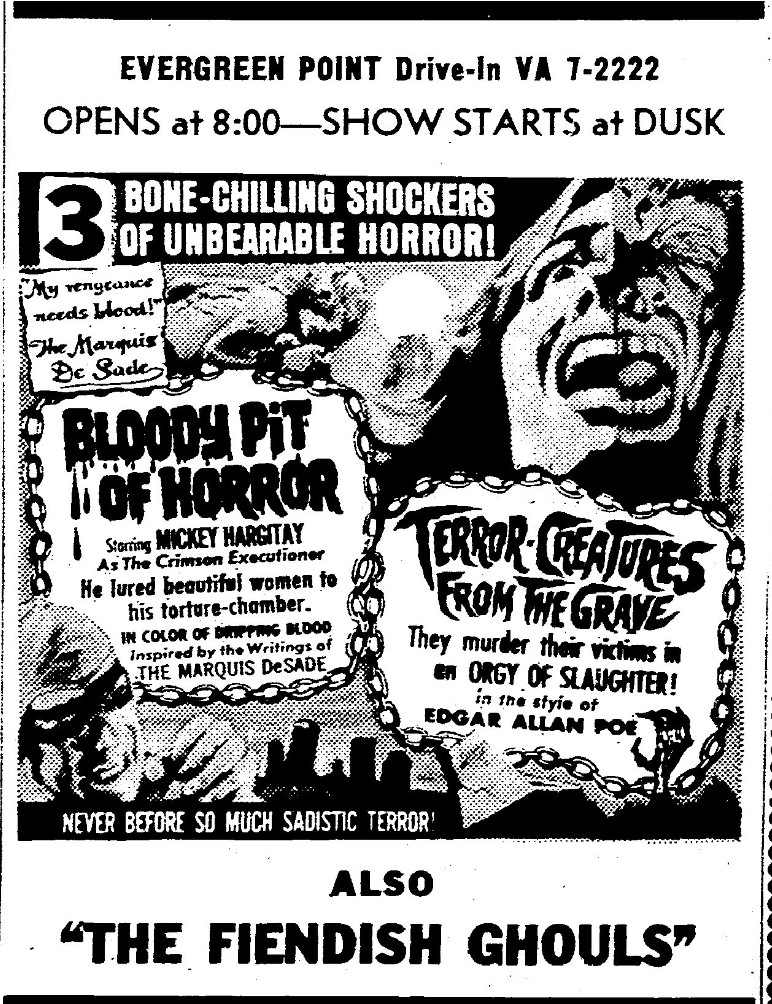
July 12, 1967 ad (Seattle)
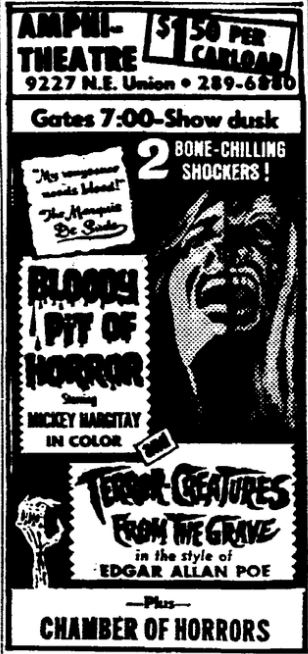
September 27, 1967 AD (Portland)
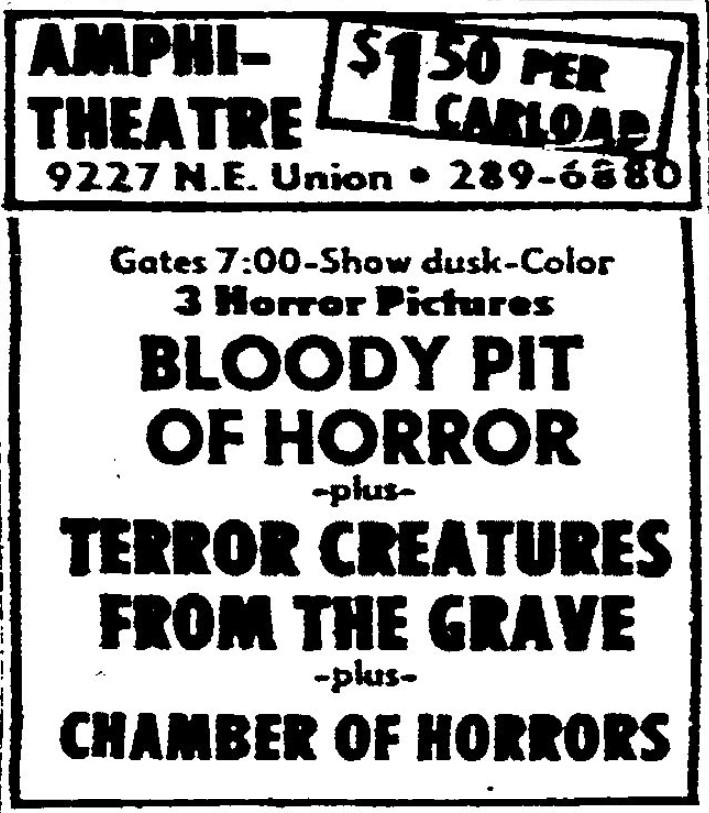
September 28, 1967 AD (Portland)
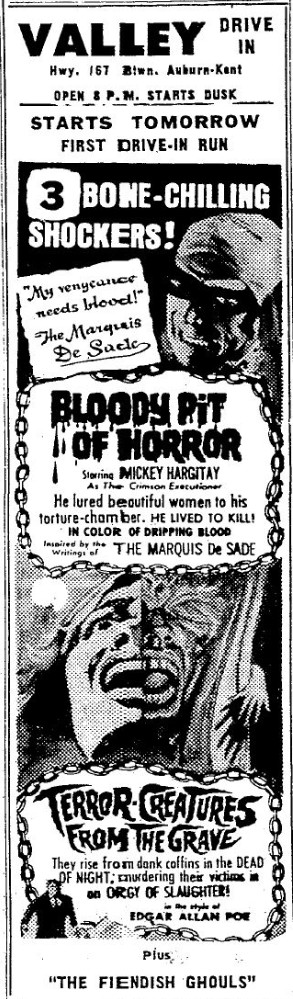
July 09, 1967 ad (Seattle)
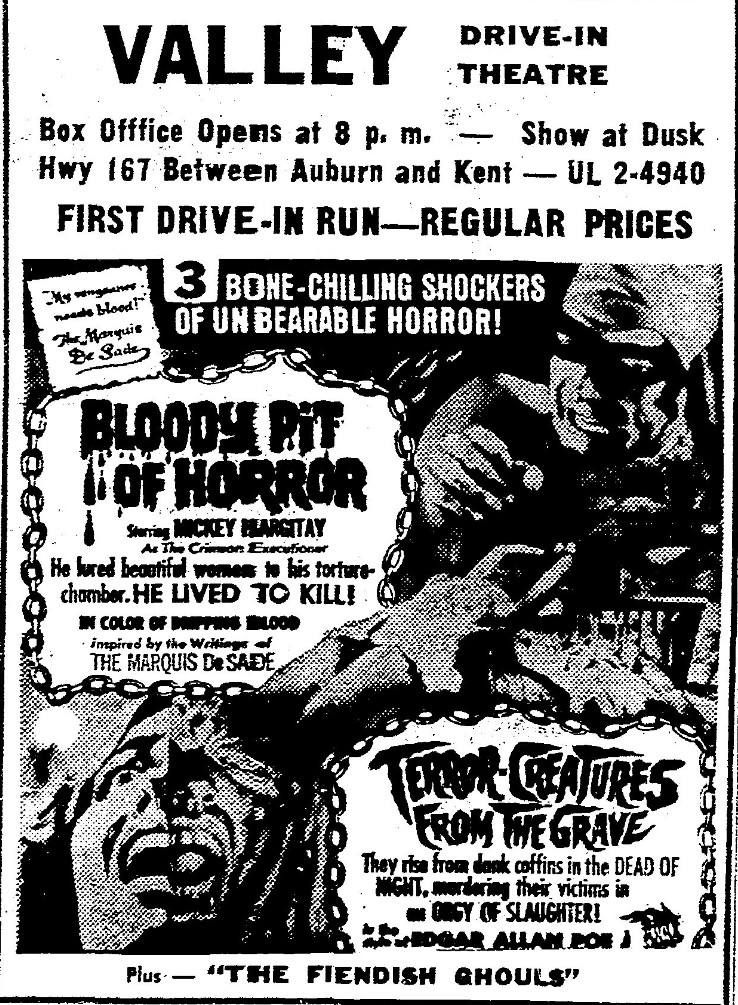
July 10, 1967 ad (Seattle)
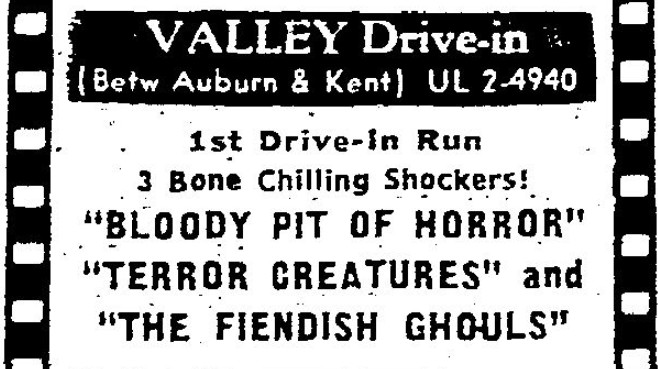
July 11, 1967 ad (Seattle)
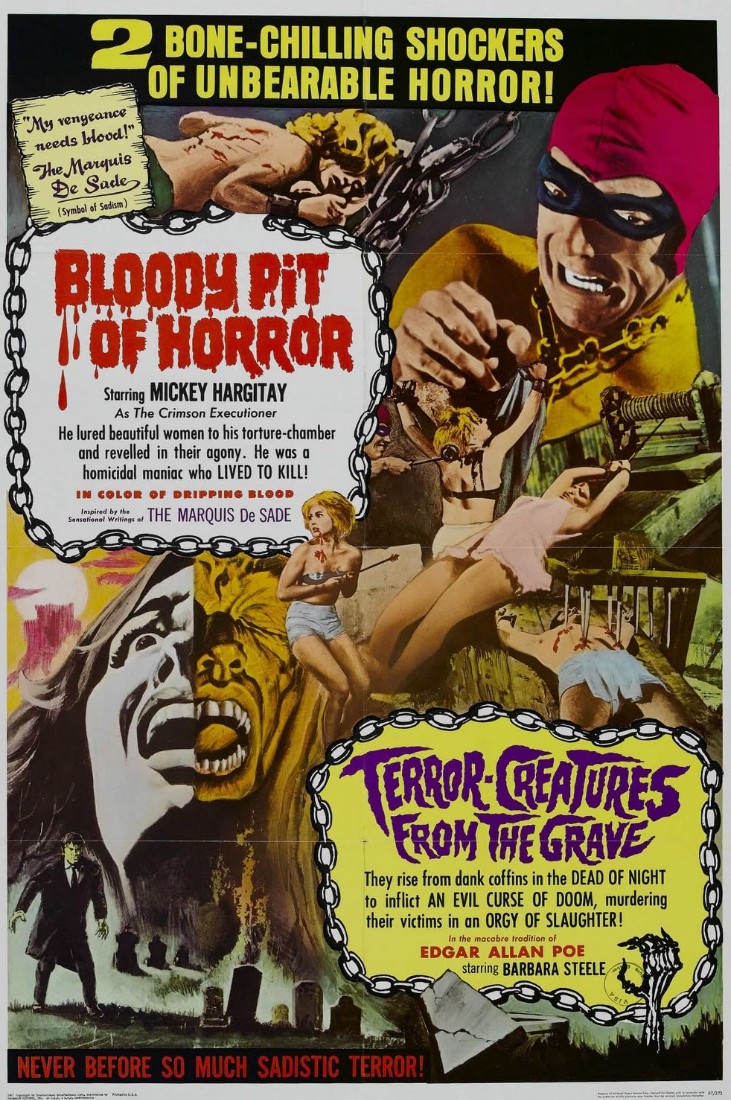
USA Double Bill poster
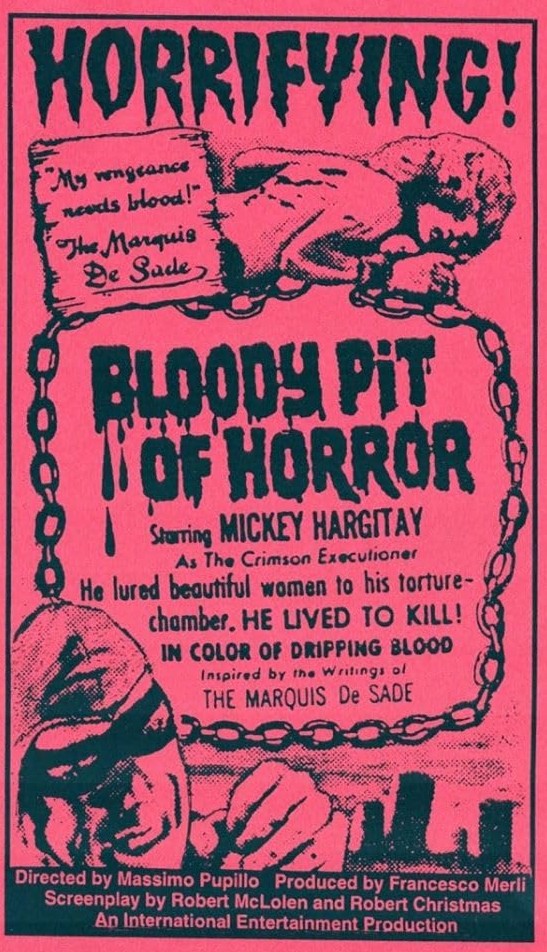
Bloody Pit of Horror (1965) poster
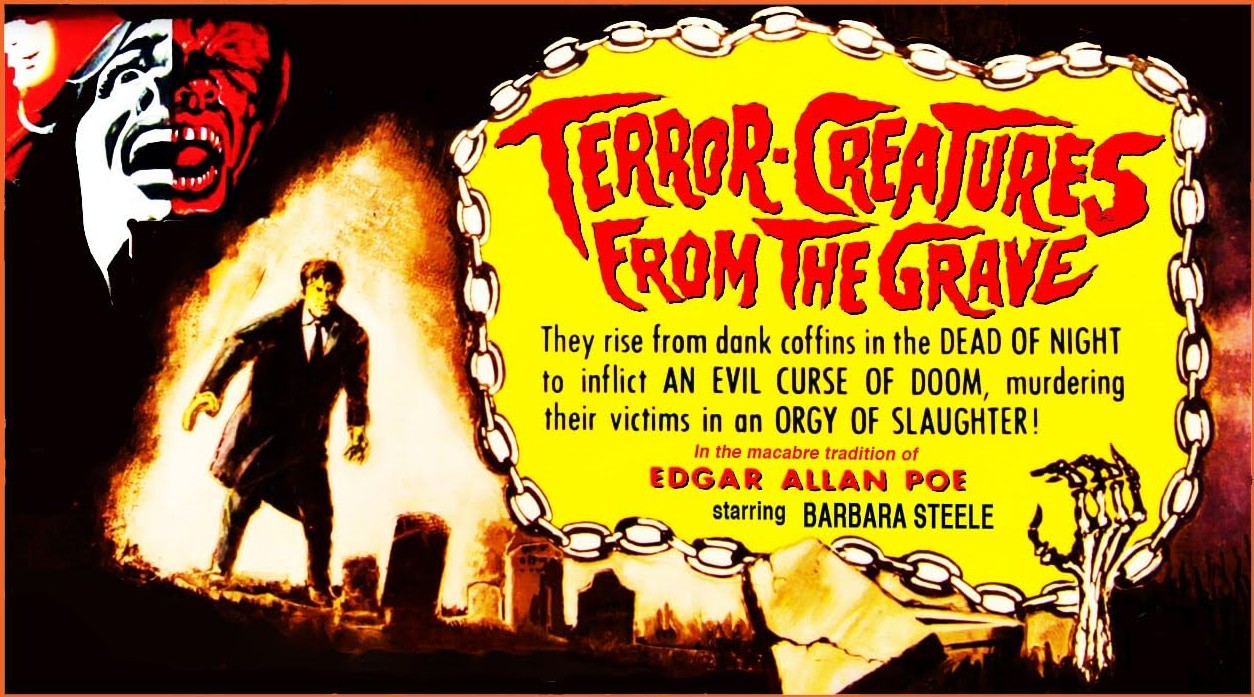
Terror-Creatures from the Grave (1965) lobby card
Bloody Pit of Horror (1965) trailer
Buy "Bloody Pit of Horror" (1965) bluray on Amazon (SPONSORED)
Buy "Bloody Pit of Horror" (1965) DVD on Amazon (SPONSORED)
Terror-Creatures from the Grave (1965) trailer
Buy "Terror-Creatures from the Grave" (1965) DVD on Amazon (SPONSORED)
