This is a collection of media from the initial runs of "De Sade" and "Chastity" (1969) in the Pacific Northwest.
Click on images for larger versions
De Sade (1969)
The strange thing about "De Sade" is that it tries to stare directly into the abyss of its subject while flinching every few minutes, as if the filmmakers suddenly remembered they were supposed to be making something respectable. The result is a film that feels both feverish and timid, a lavish costume drama that keeps pretending to say something profound about cruelty, desire, and the rot beneath aristocratic privilege, even as it nervously backs away from anything truly dangerous.
What you get is a portrait of the Marquis as a drifting, haunted figure, less a man than a bundle of impulses wrapped in velvet. The film circles him like a wary animal, fascinated by his obsessions but terrified of what they imply. It leans heavily on dreamlike interludes and theatrical set pieces, as though hoping that enough smoke and colored light will distract from the fact that it never commits to a real point of view. You can feel the era’s countercultural anxieties pulsing underneath the surface, but they never quite break through. Instead, the film settles into a kind of decadent fog, luxuriating in its own artifice.
The performances are caught in the same trap. They’re stylized, sometimes striking, but often stranded by the script’s indecision. The film wants to condemn its protagonist while also treating him as a tragic visionary, and that tug-of-war leaves everyone on screen looking vaguely exhausted. Even the more ambitious sequences feel like they’re straining for significance, reaching for transgression but landing somewhere closer to a museum diorama that’s trying too hard to look scandalous.
Still, something is compelling in its messiness. "De Sade" is a relic of a moment when Hollywood was trying to reinvent itself, poking at taboos without quite knowing how to handle them. The film’s ornate production design and fractured structure give it an uneasy charm, like a decadent party where everyone is pretending not to notice the rot in the walls. It’s not a great film, but it’s an interesting failure, the kind that reveals more about the era that produced it than about the man it claims to portray.
Directors: Cy Endfield, Roger Corman
Writers: Richard Matheson, Peter Berg, Gilbert Lély
Stars: Keir Dullea, Senta Berger, Anna Massey
Buy "De Sade" (1969) DVD on Amazon (SPONSORED)
Chastity (1969)
"Chastity" is one of those late sixties curiosities that thinks it is baring its soul while mostly tripping over its own self-regard. The film follows its wandering protagonist with the kind of solemn intensity usually reserved for someone on a spiritual quest, yet everything about her journey feels strangely hollow, as if the movie is terrified of admitting it has nothing solid to say. It wraps itself in the language of rebellion and emotional damage but never digs deep enough to earn the weight it keeps insisting it carries.
The whole thing has the aura of a studio trying to bottle counterculture without understanding it. You can practically feel the executives hovering just off-screen, nervously approving every gesture of angst as long as it stays tidy enough for a poster. The film wants to be raw and confrontational, but its edges are sanded down, leaving only the performance of turmoil. Even the moments that hint at something darker or more complicated are quickly smothered under vague symbolism and moody silence, as though the film is afraid of its own implications.
Its lead character drifts through the world like someone rehearsing alienation rather than living it. She is meant to be enigmatic, but the movie confuses opacity with depth, giving her a string of brooding expressions and abrupt exits instead of an inner life. The result is a portrait that feels more like a marketing idea than a person. You watch her move from place to place, always restless, always guarded, yet the film never earns the right to call her mysterious. It simply refuses to commit to anything that might make her real.
Still, there is a strange fascination in how "Chastity" tries so hard to be meaningful and keeps slipping through its own fingers. It is a time capsule of an era desperate to look liberated while still terrified of what liberation might actually require. The film’s earnestness becomes its own kind of spectacle, a reminder of how sixties cinema often mistook mood for insight. It is not a successful film, but it is an interesting failure, the kind that reveals more about the anxieties of the people who made it than about the young woman it pretends to understand.
Director: Alessio de Paola
Writer: Sonny Bono
Stars: Cher, Barbara London, Steve Whittaker
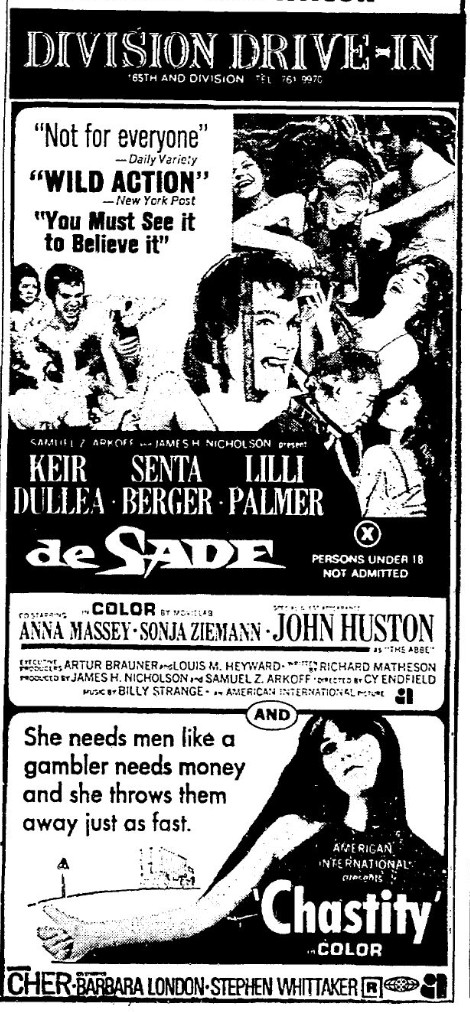
August 12, 1970 ad (Portland)
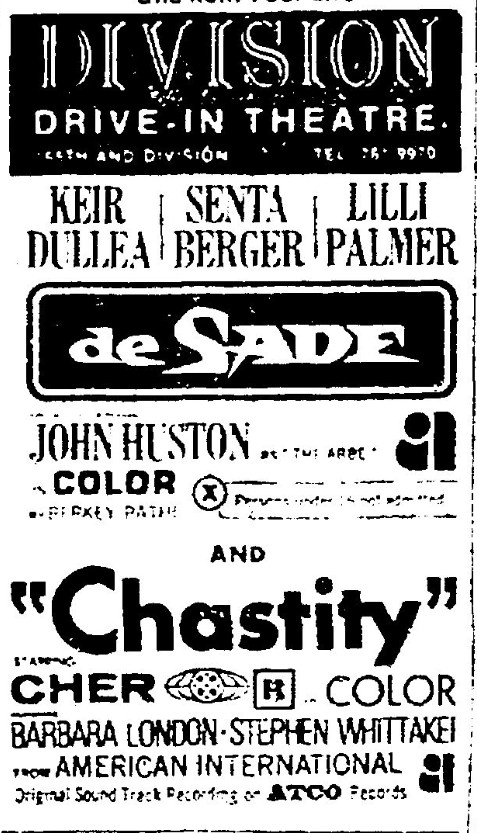
August 13, 1970 ad (Portland)
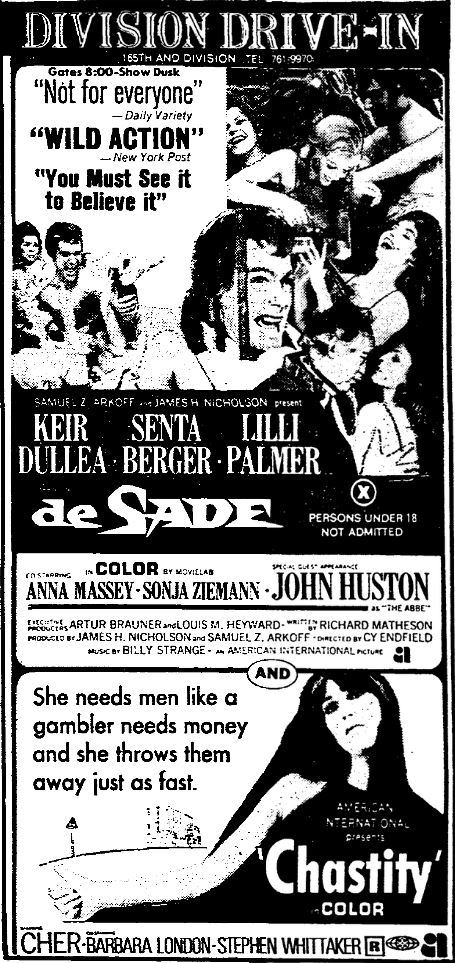
August 14, 1970 ad (Portland)
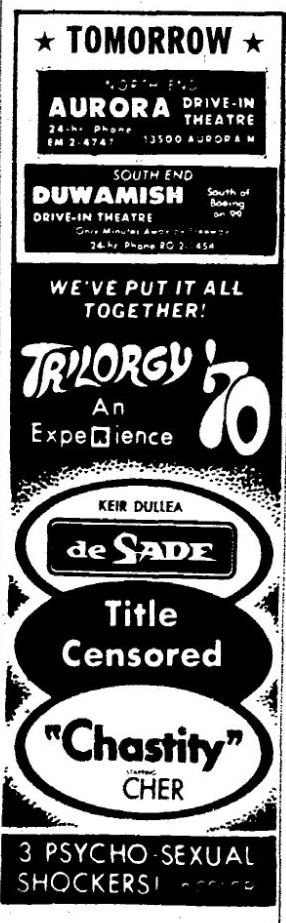
December 8, 1970 ad (Seattle)

December 9, 1970 ad (Seattle)
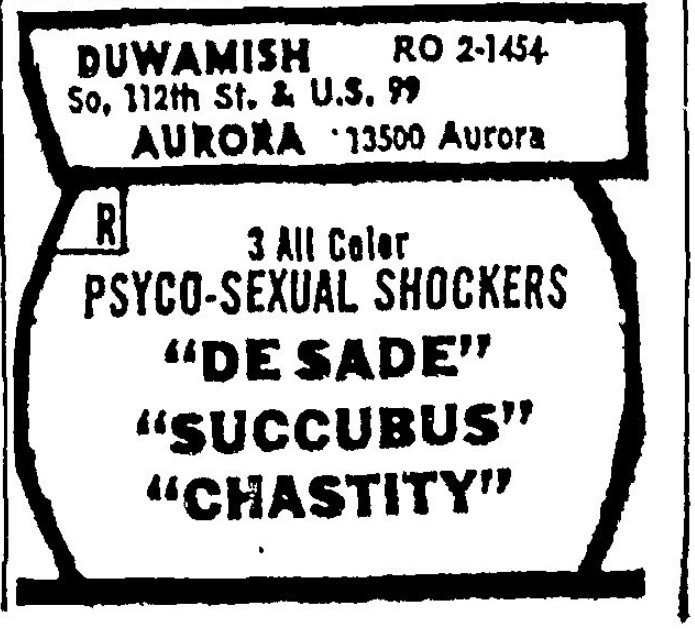
December 10, 1970 ad (Seattle)
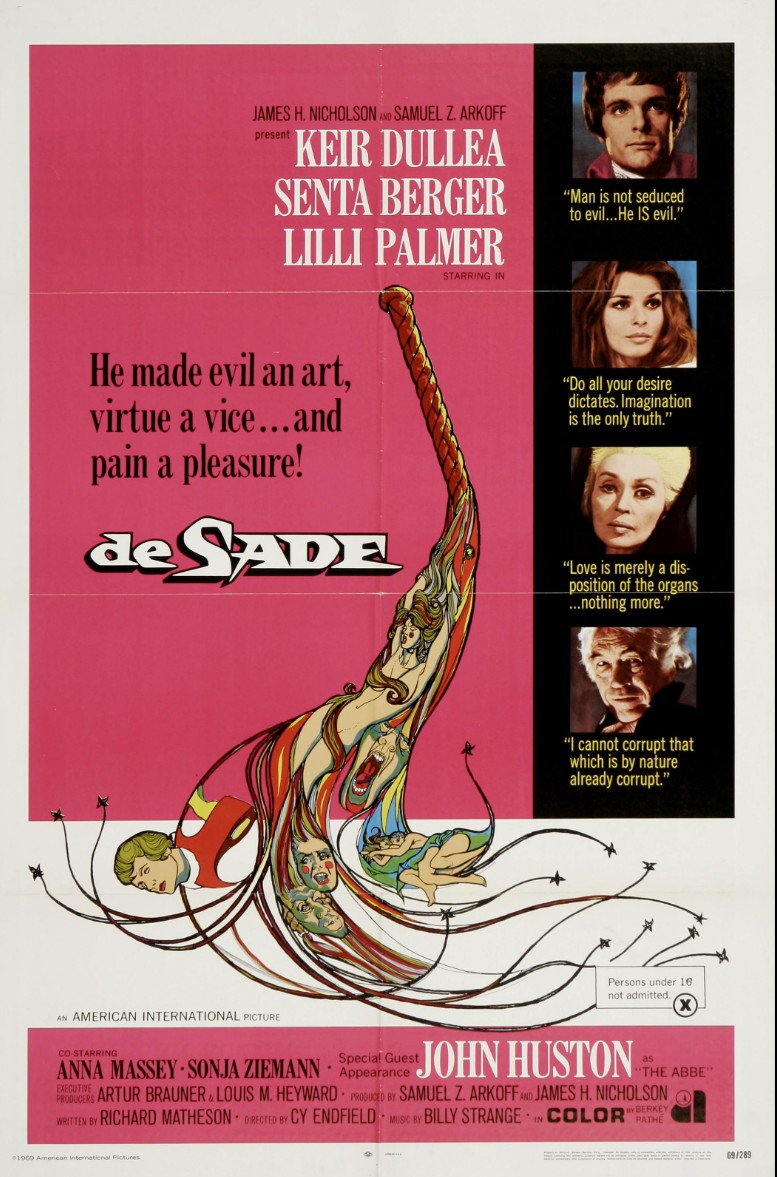
De Sade (1969) poster
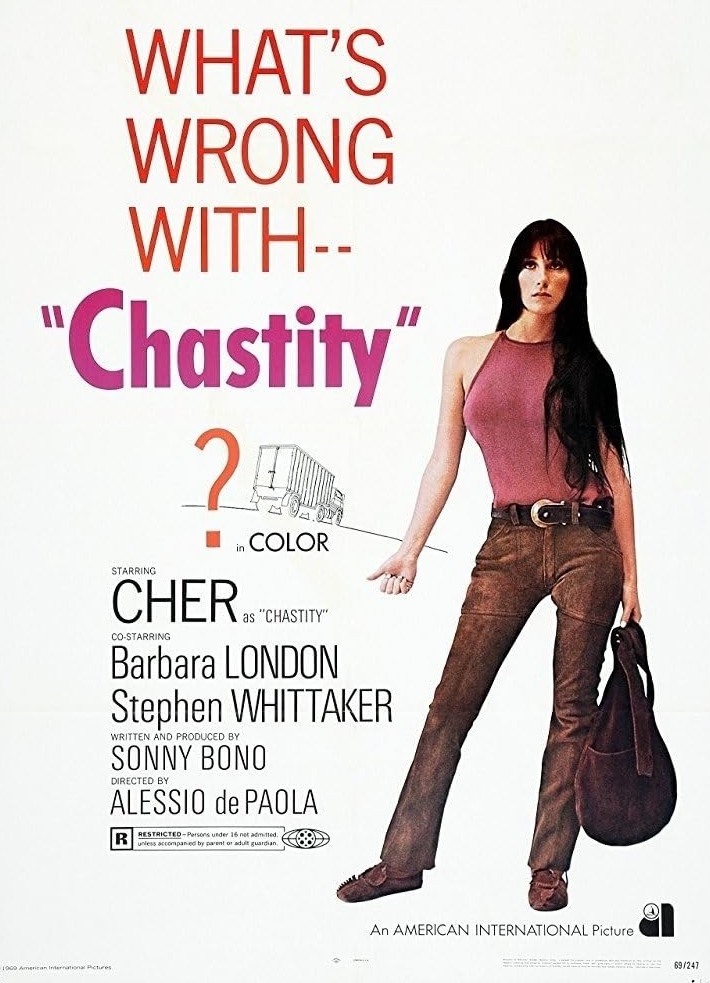
Chastity (1969) poster
De Sade (1969) trailer
Buy "De Sade" (1969) DVD on Amazon (SPONSORED)
Chastity (1969) trailer
